














Coral jewellery
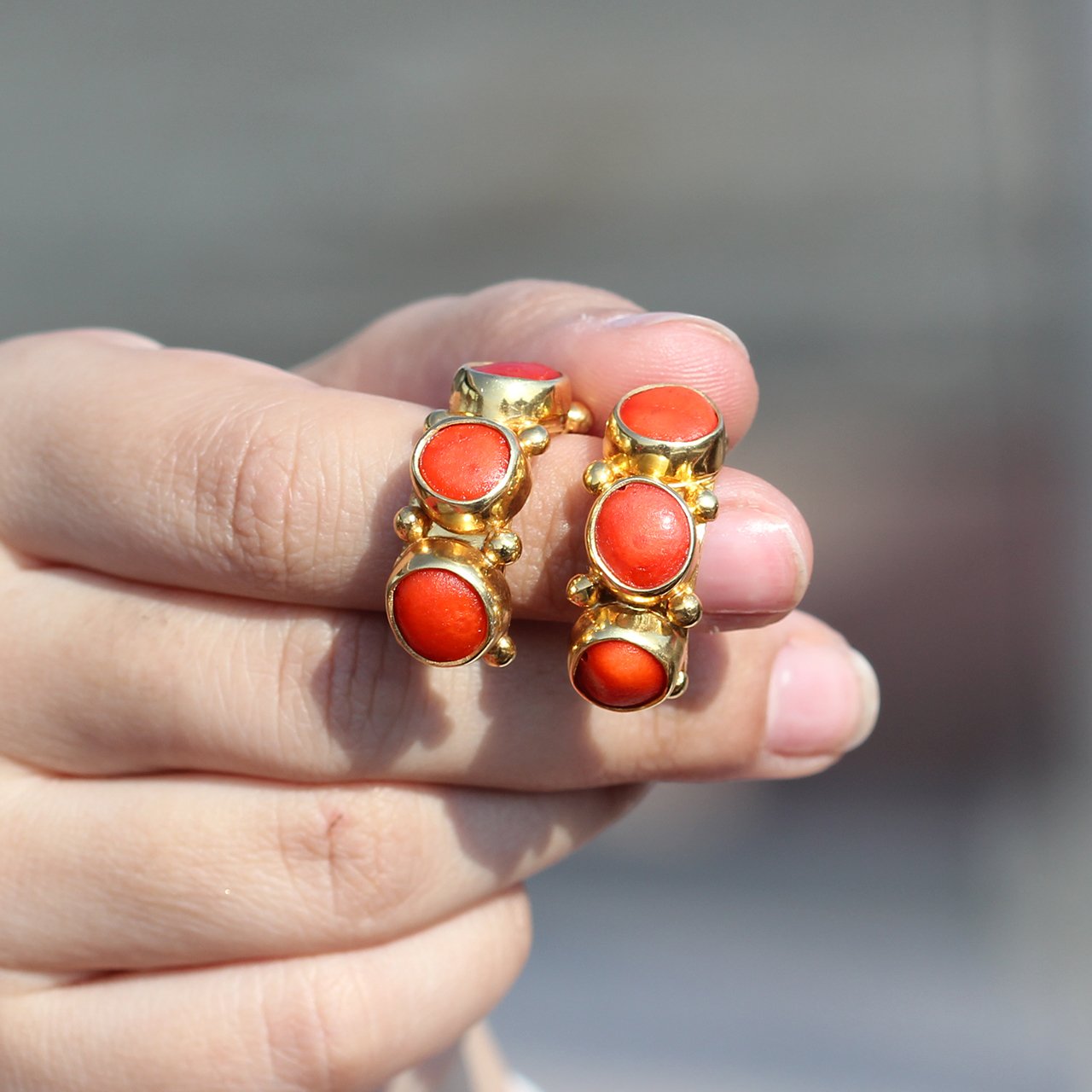
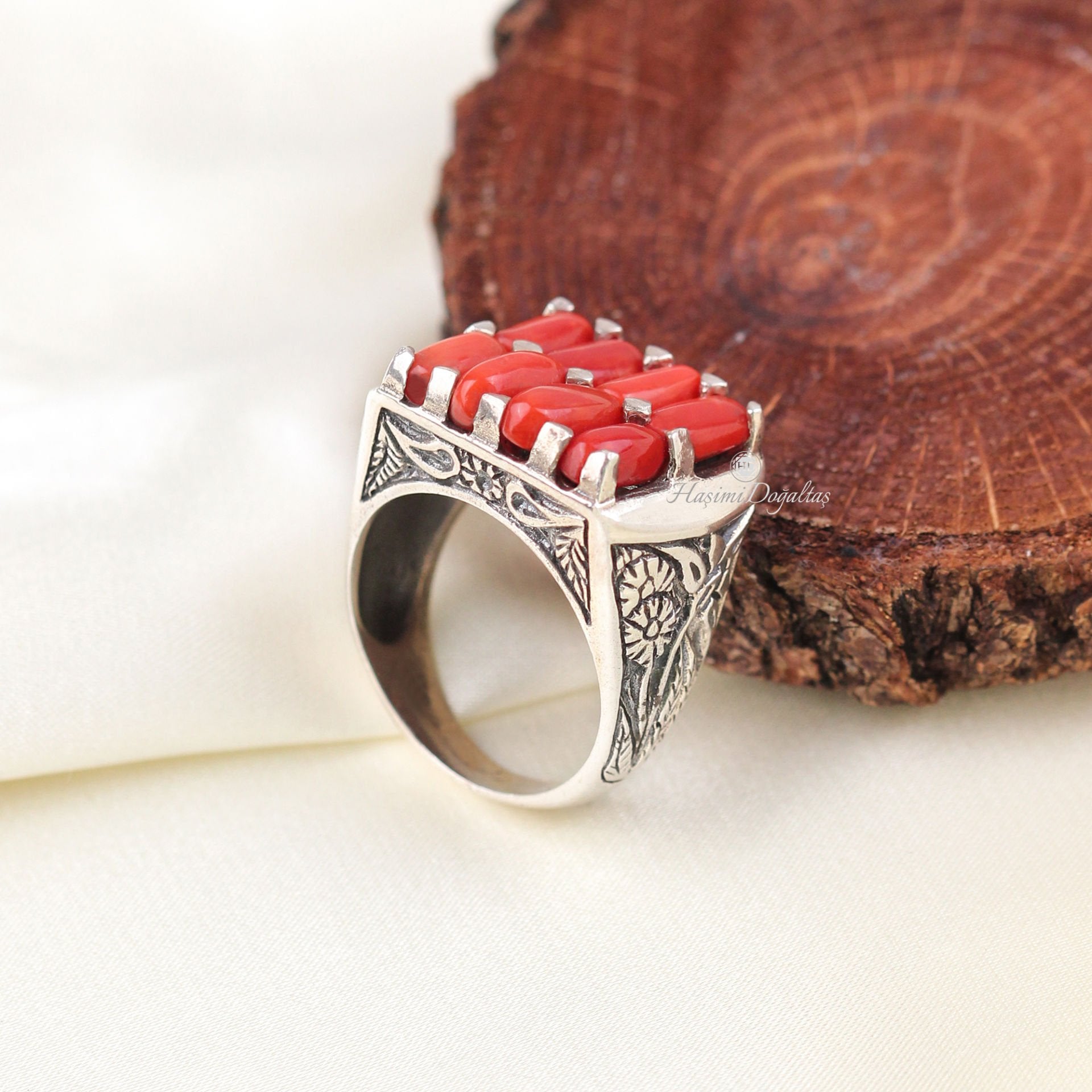
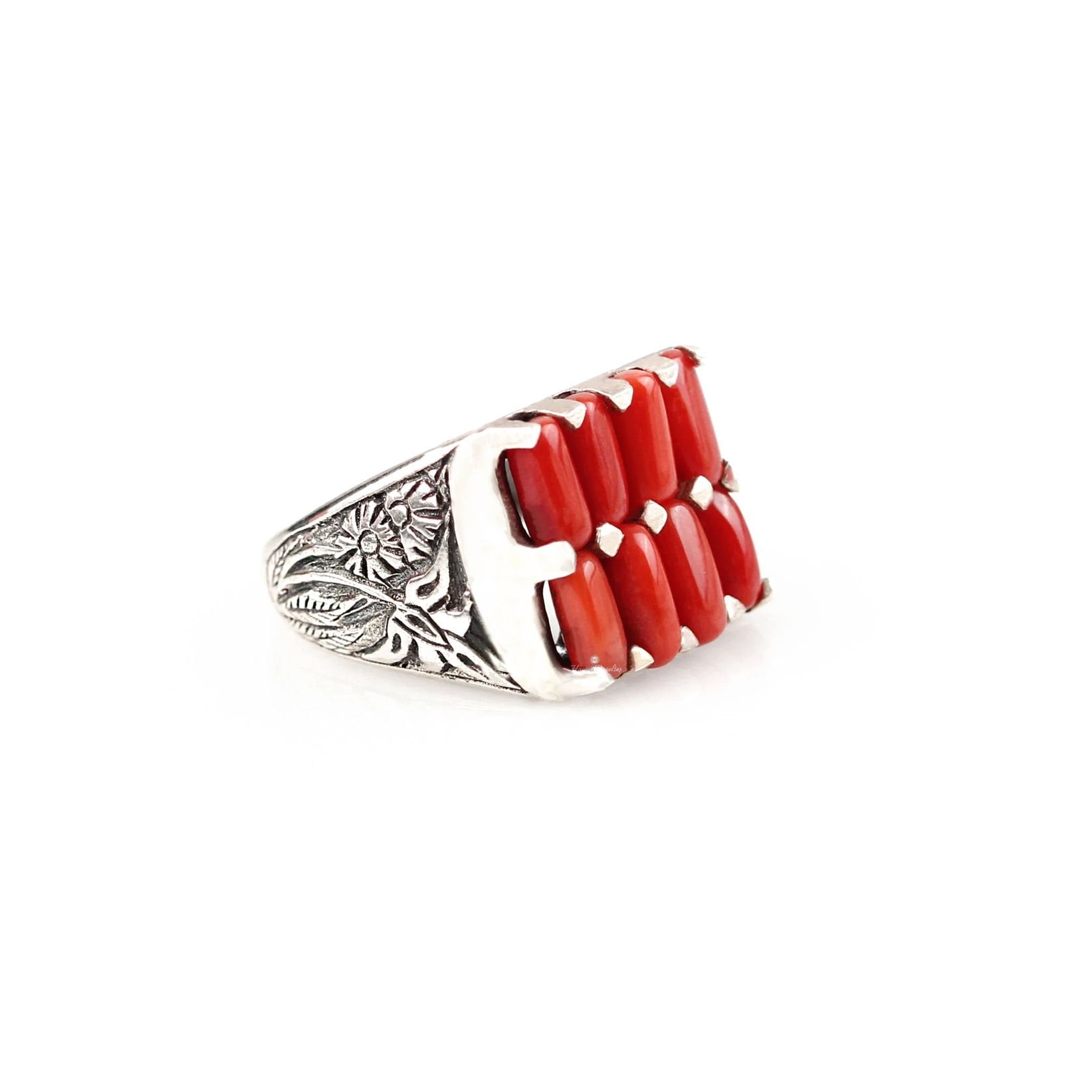
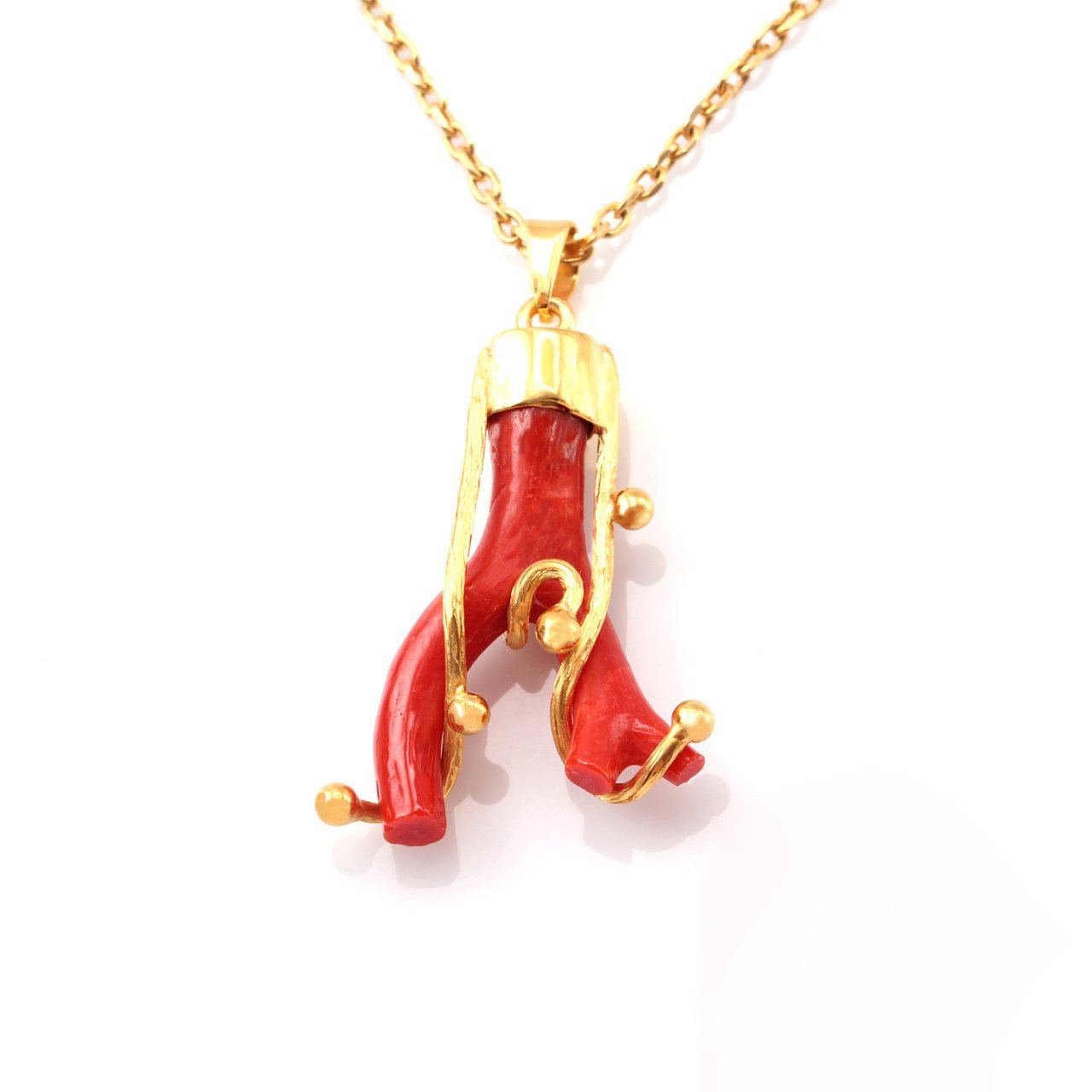
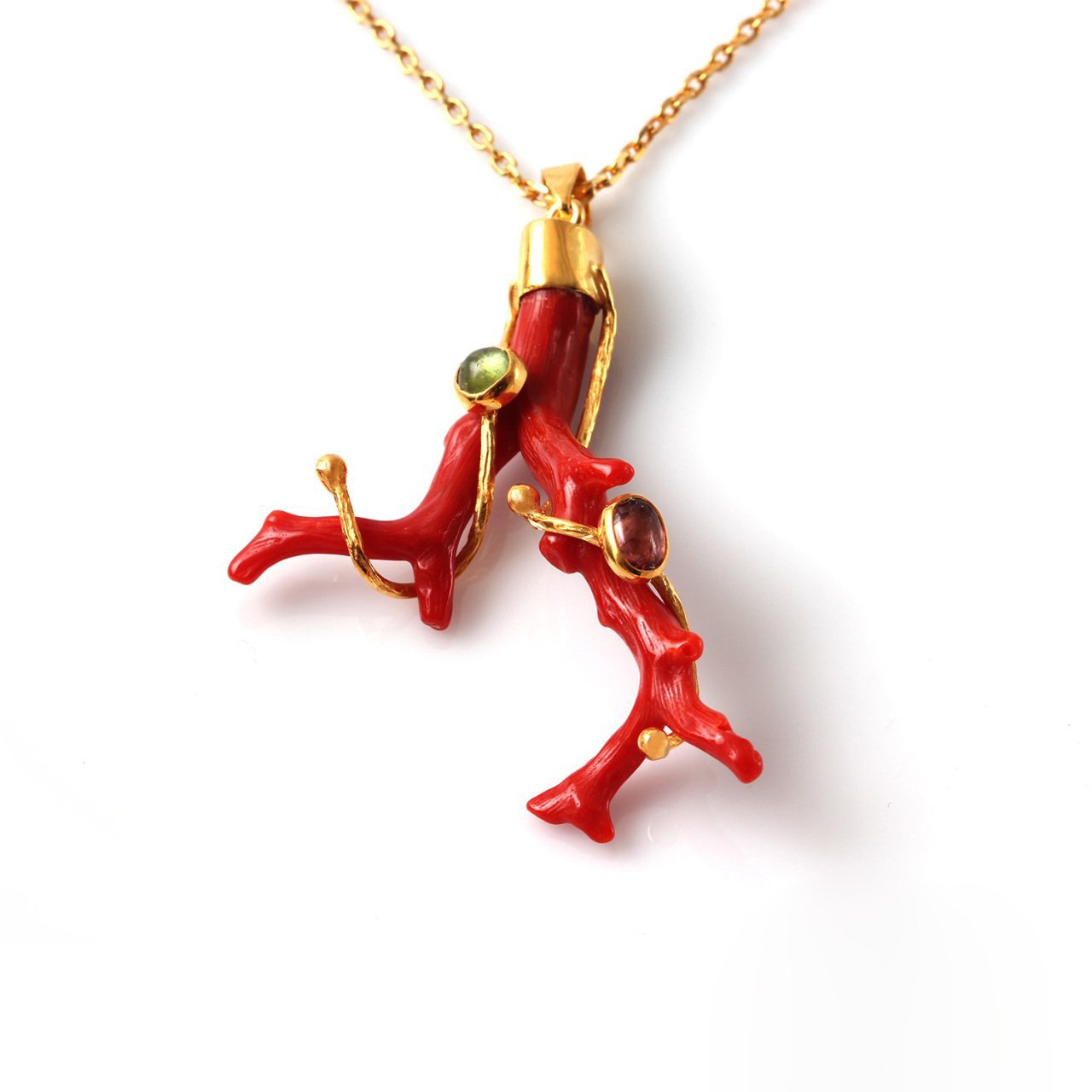
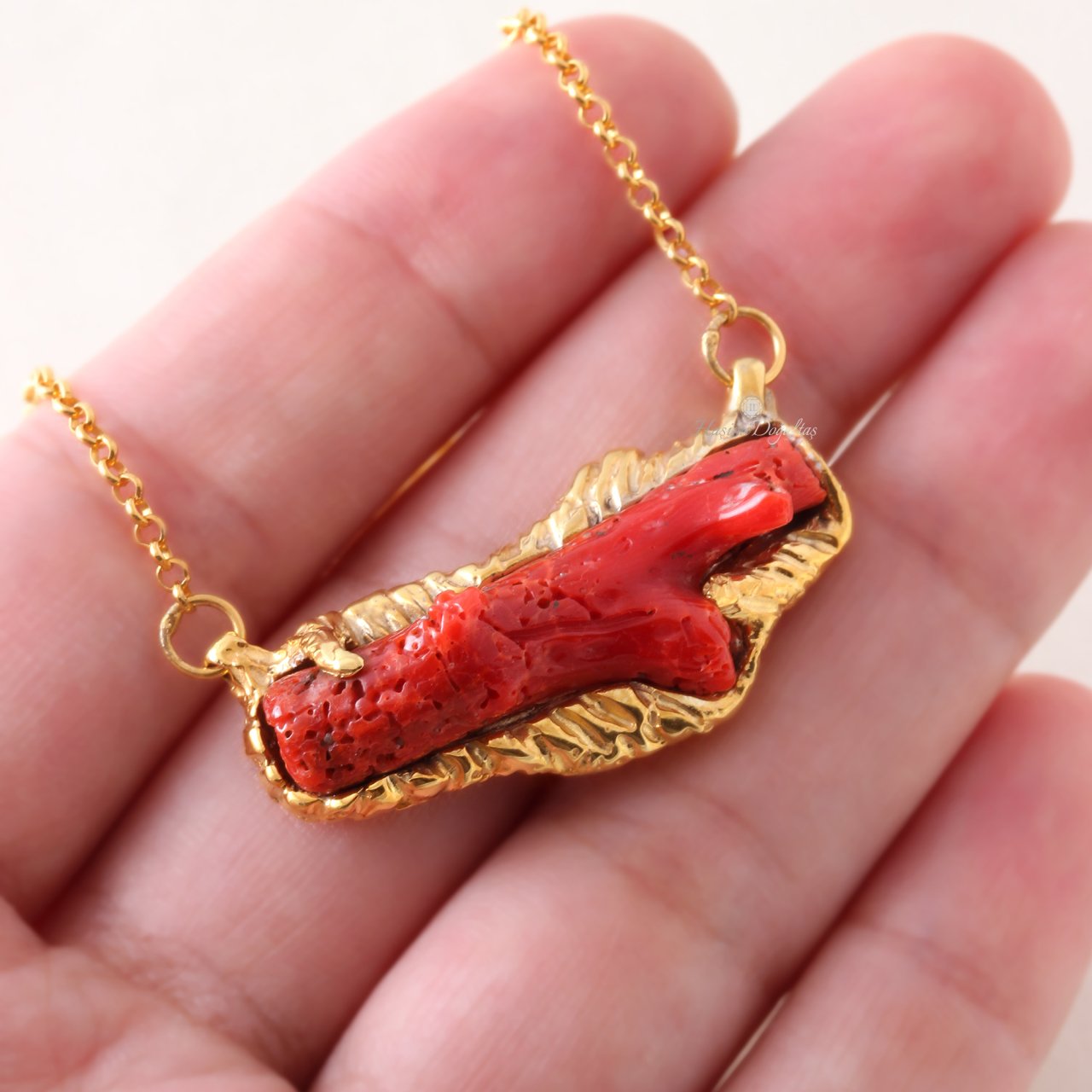
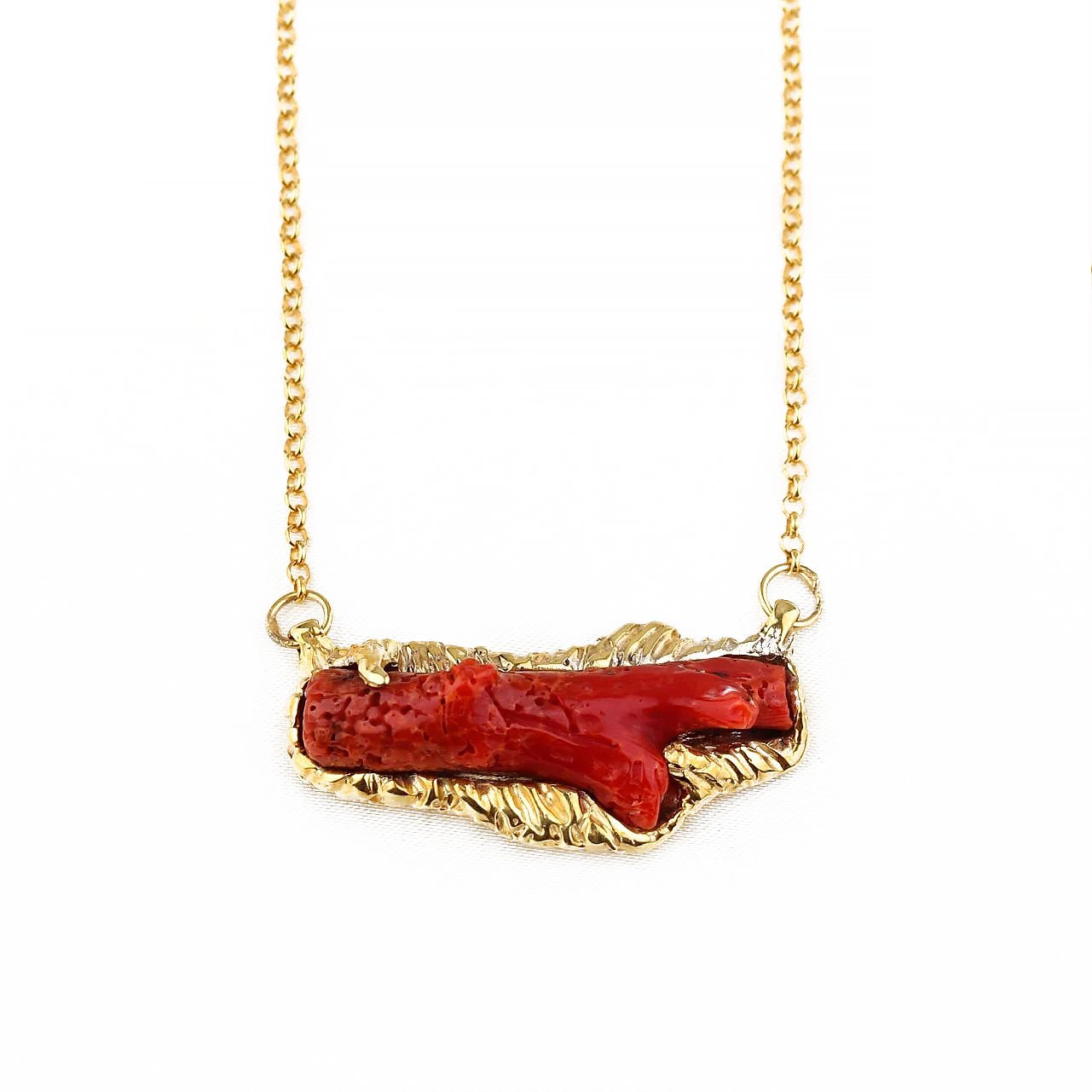
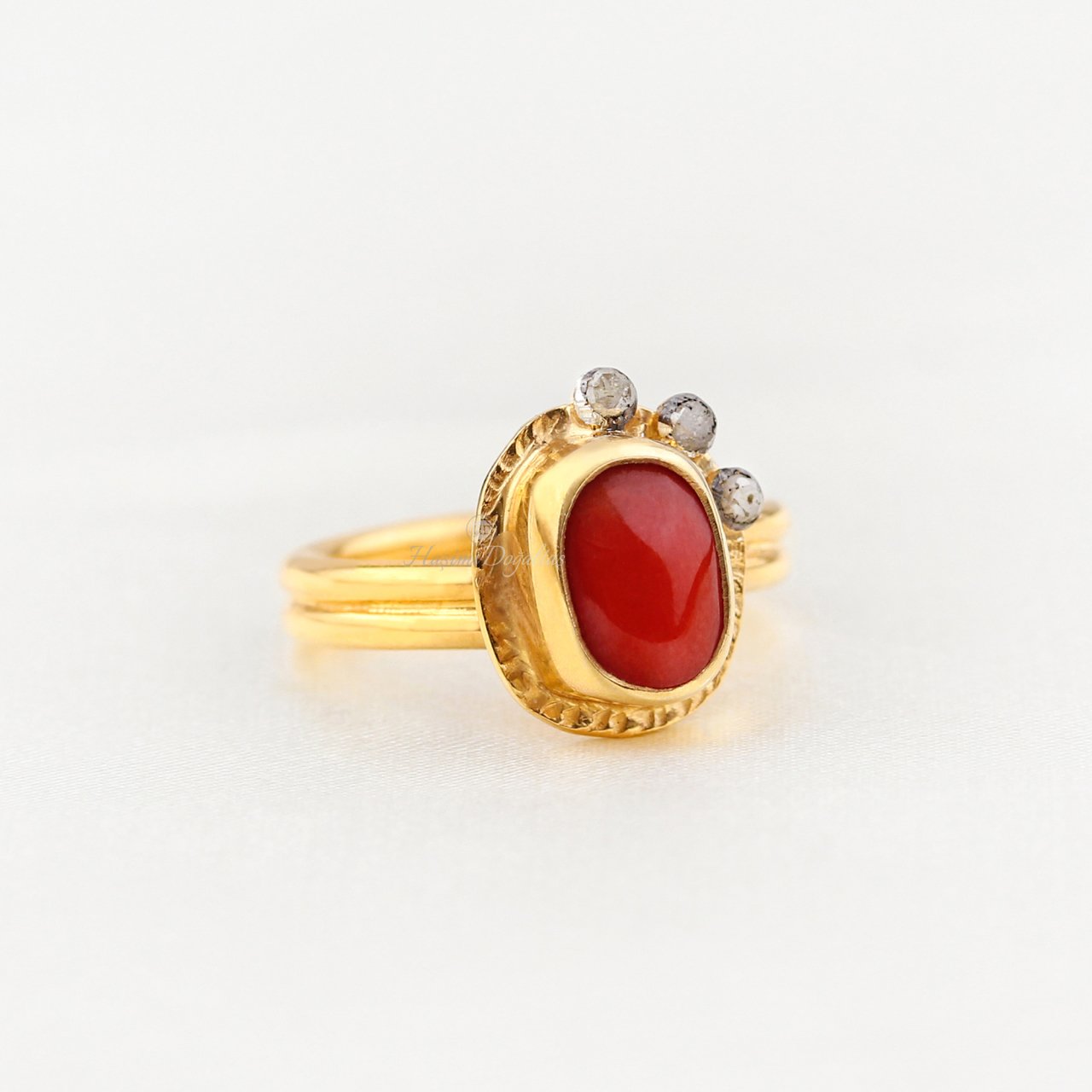
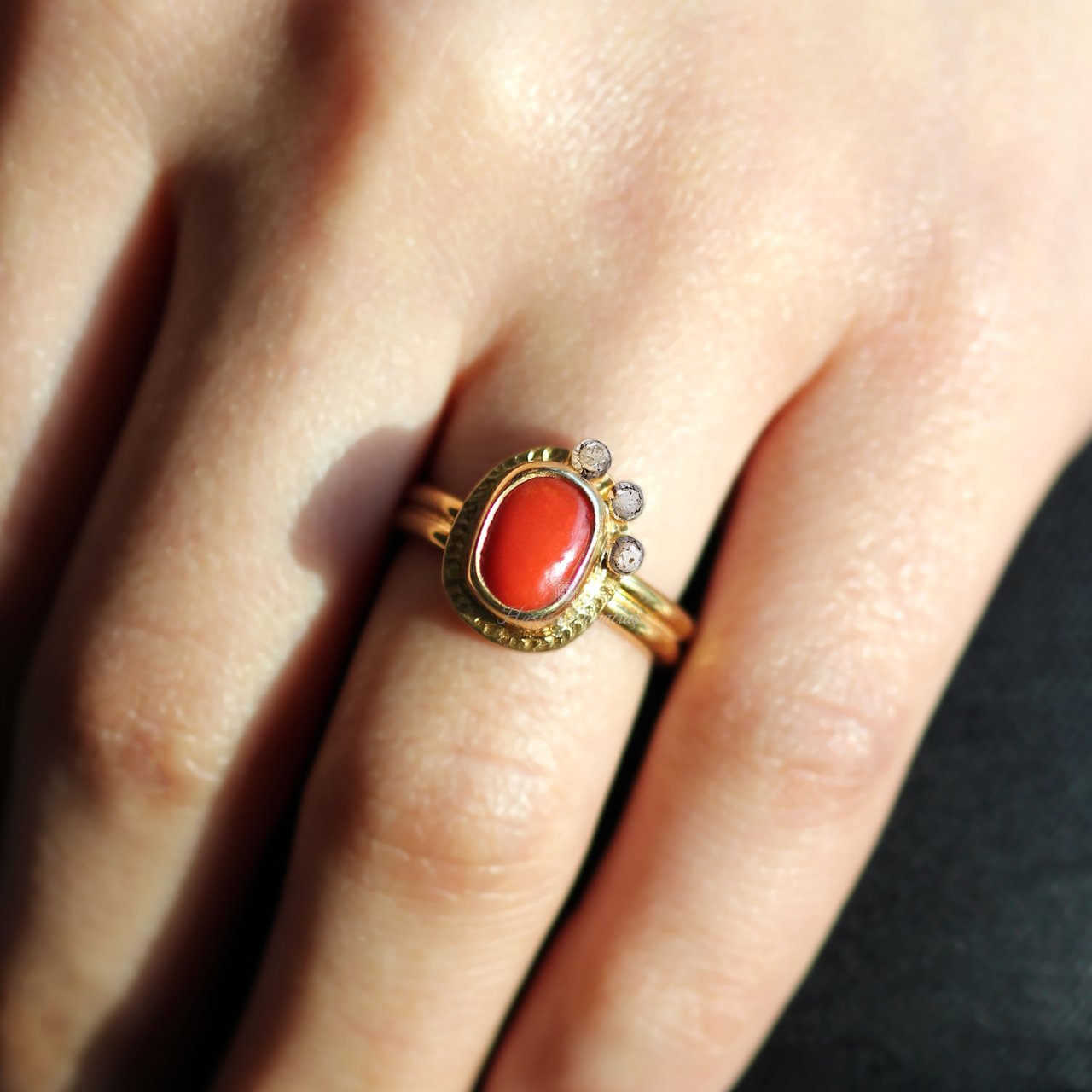
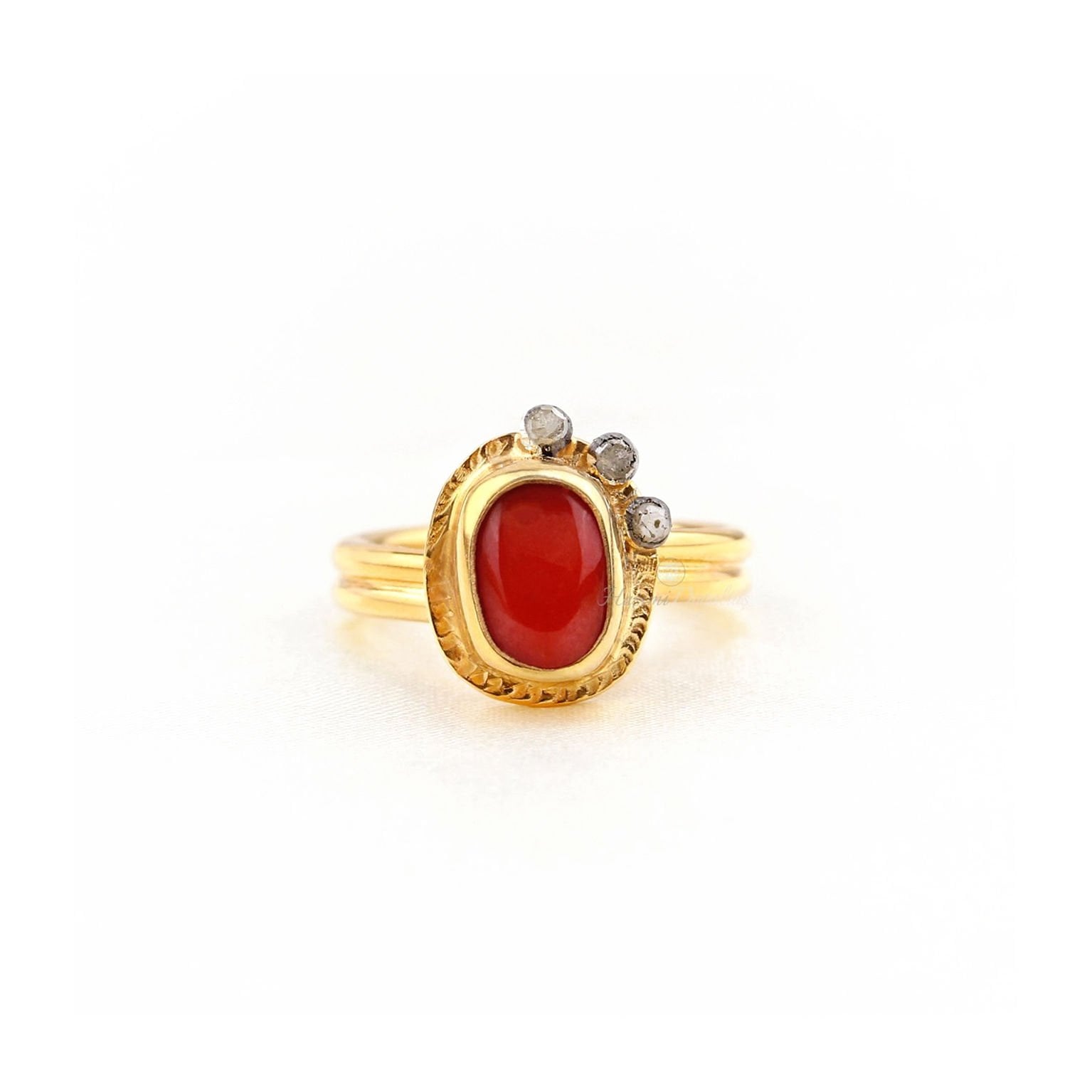
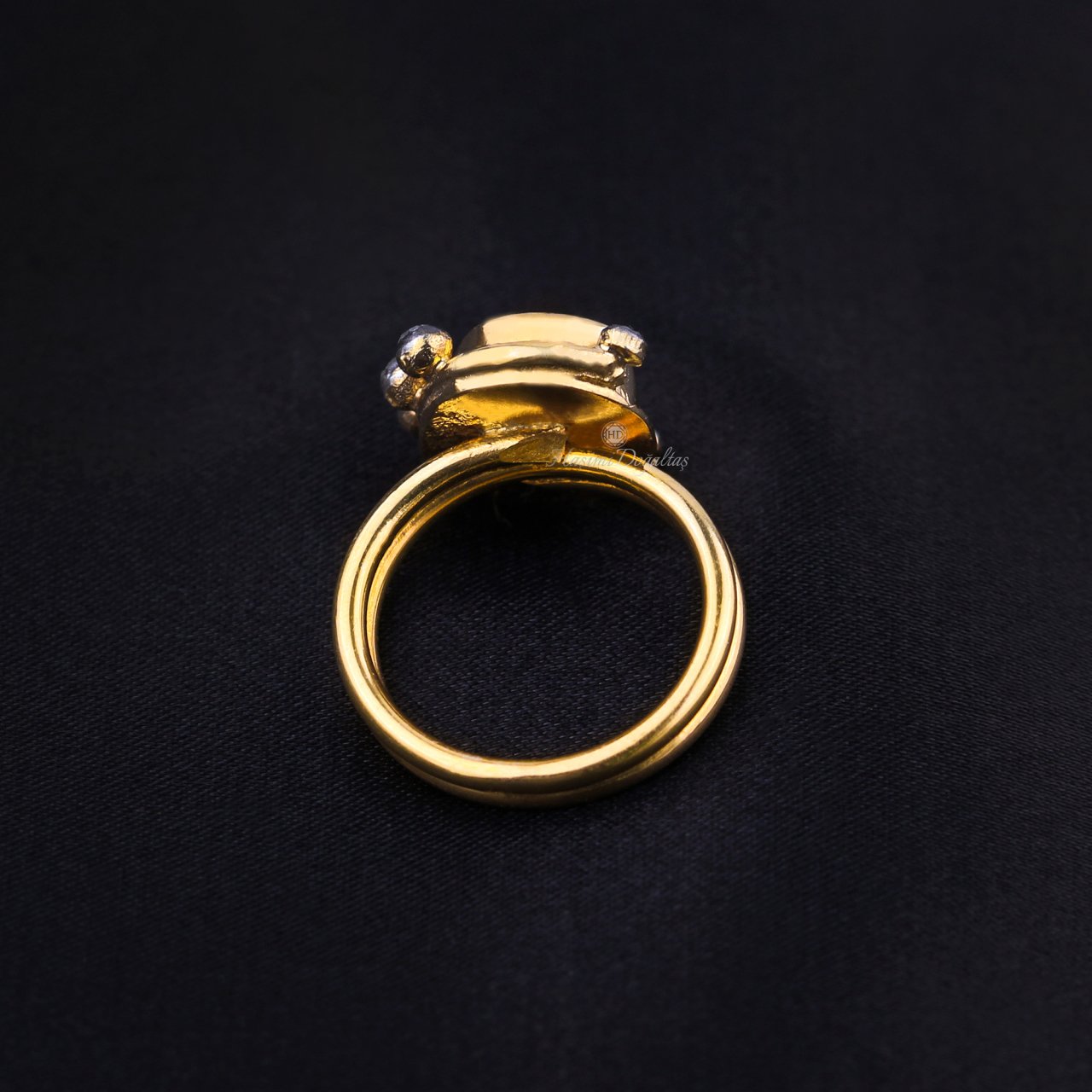
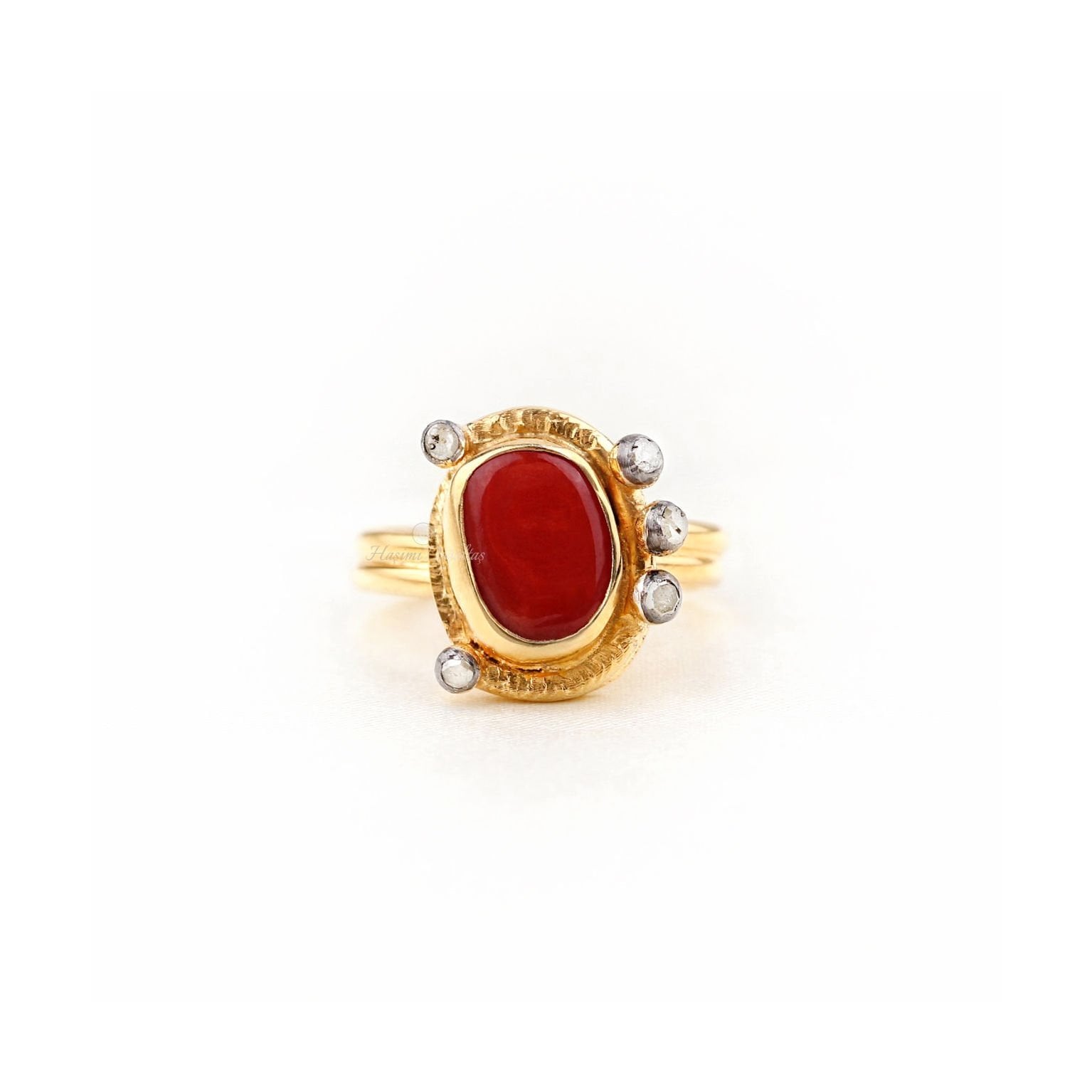
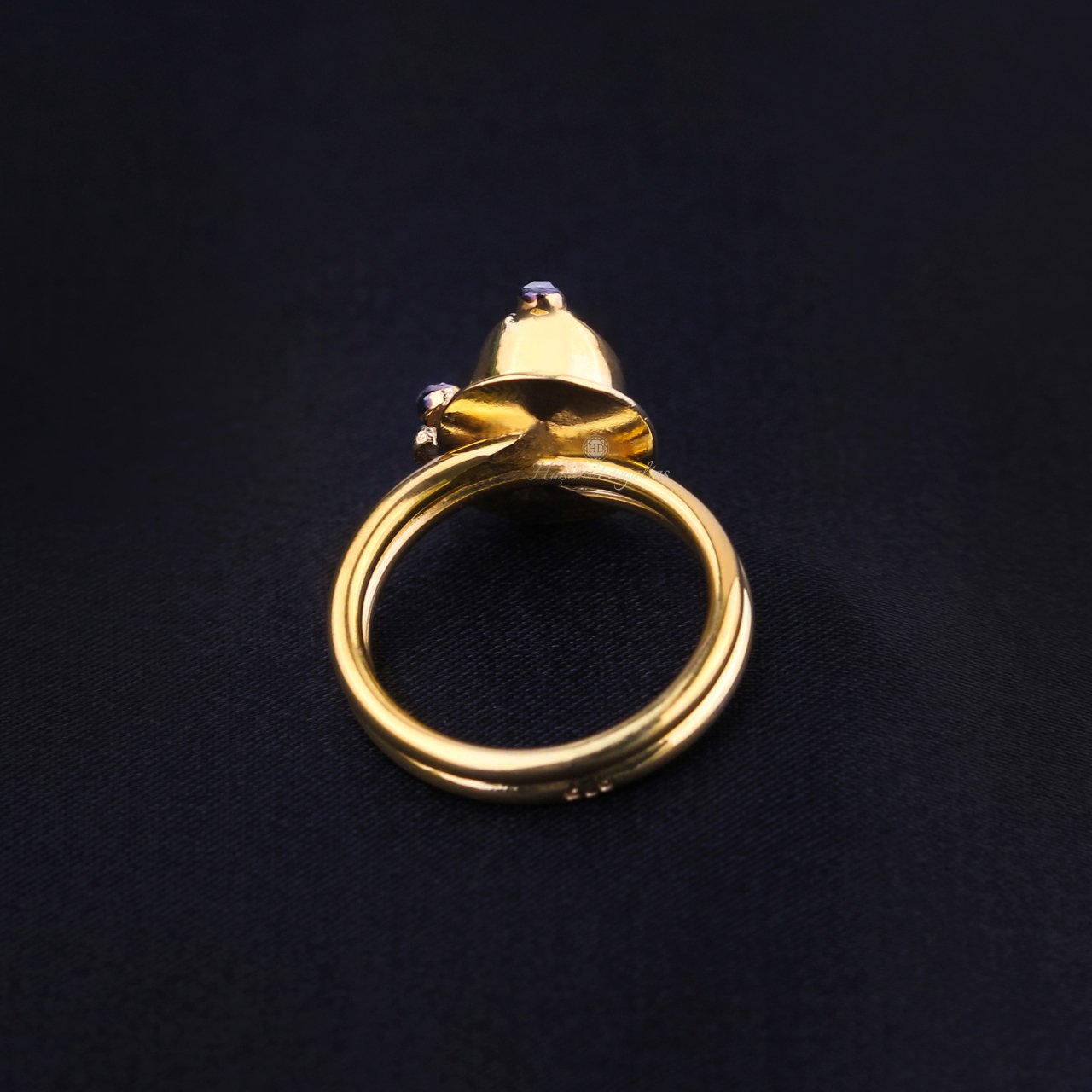
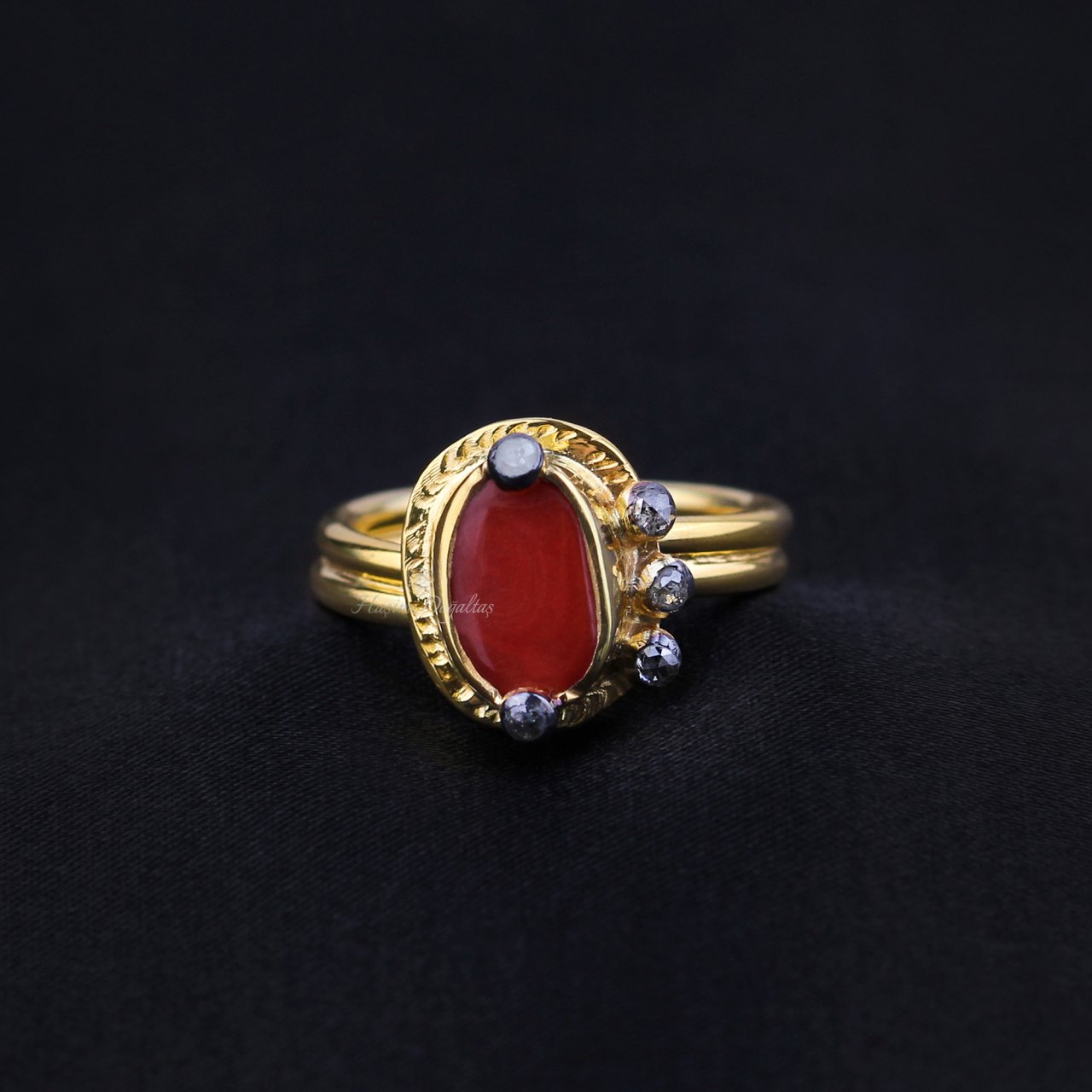
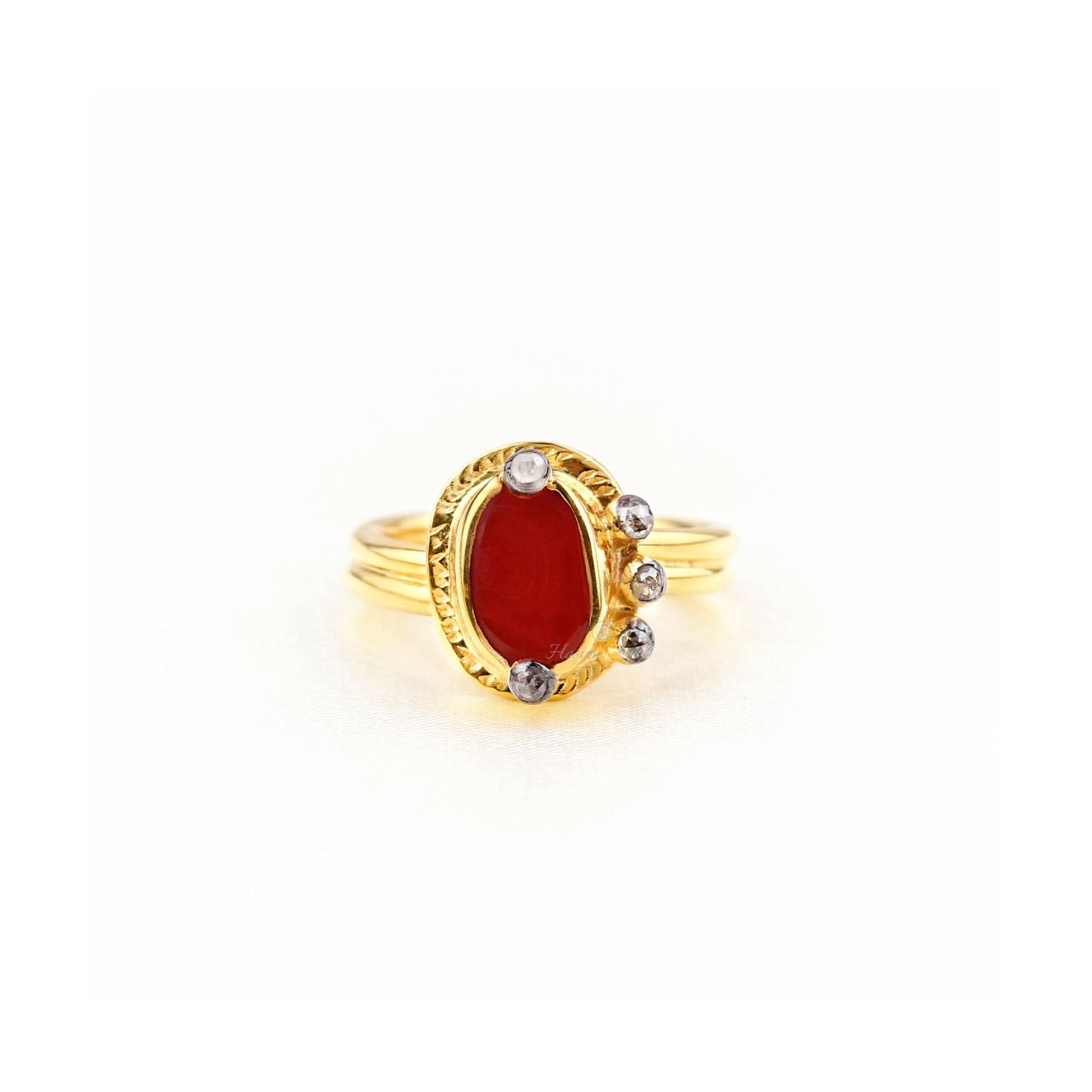
Coral is actually an organic material formed in the sea; it comes from the calcareous skeletons of living coral colonies. Its colour ranges from an orange-leaning red to deep red, and when polished it takes on a soft, matt lustre. The largest groups are rings and earrings. In the Efrend series, coral is worked in baguette, cushion and oval cuts, with small diamonds set beside it. You can also see all the coral rings on the Coral Rings page.
In the Efruz series earrings, coral is combined with pearl, garnet or yellow sapphire. Woven wire and minimal rings, a men's ring, earrings with bar-shaped stones, a unisex coral necklace and a coral and serpentine set are also included. You will also find pieces that combine coral, Nishabur turquoise and pearl on the Nishabur Turquoise page.
Coral is a soft material. Do not leave it in contact with water for long, keep it away from perfume and chemicals, and take care that it does not knock against hard surfaces. Coral is traditionally carried with the intention of family harmony and protection.
Frequently asked questions
How much does coral jewellery cost?
Coral is among the pricier stones in our range: most pieces are between 7,000 and 16,000 TL, and the simplest ring is around 2,500 TL. The Efrend rings with diamonds are 17,000 to 20,600 TL, and the top bracelet is around 30,700 TL.
Is coral a real stone?
It is used like a stone in jewellery making, but it does not form in rock; it is an organic material created by marine organisms. That is why it scratches more easily than hard stones and is affected by chemicals.
What is the difference between the Efrend and Efruz series?
The Efrend series consists of rings with coral and diamonds. The Efruz series is made up of earrings and rings that combine coral with pearl, garnet, serpentine or sapphire.
Silver rings, earrings, necklaces and bracelets with red and orange-toned coral. Series pairing it with pearl, Nishabur turquoise and diamond are worked in the Grand Bazaar without a mold.